
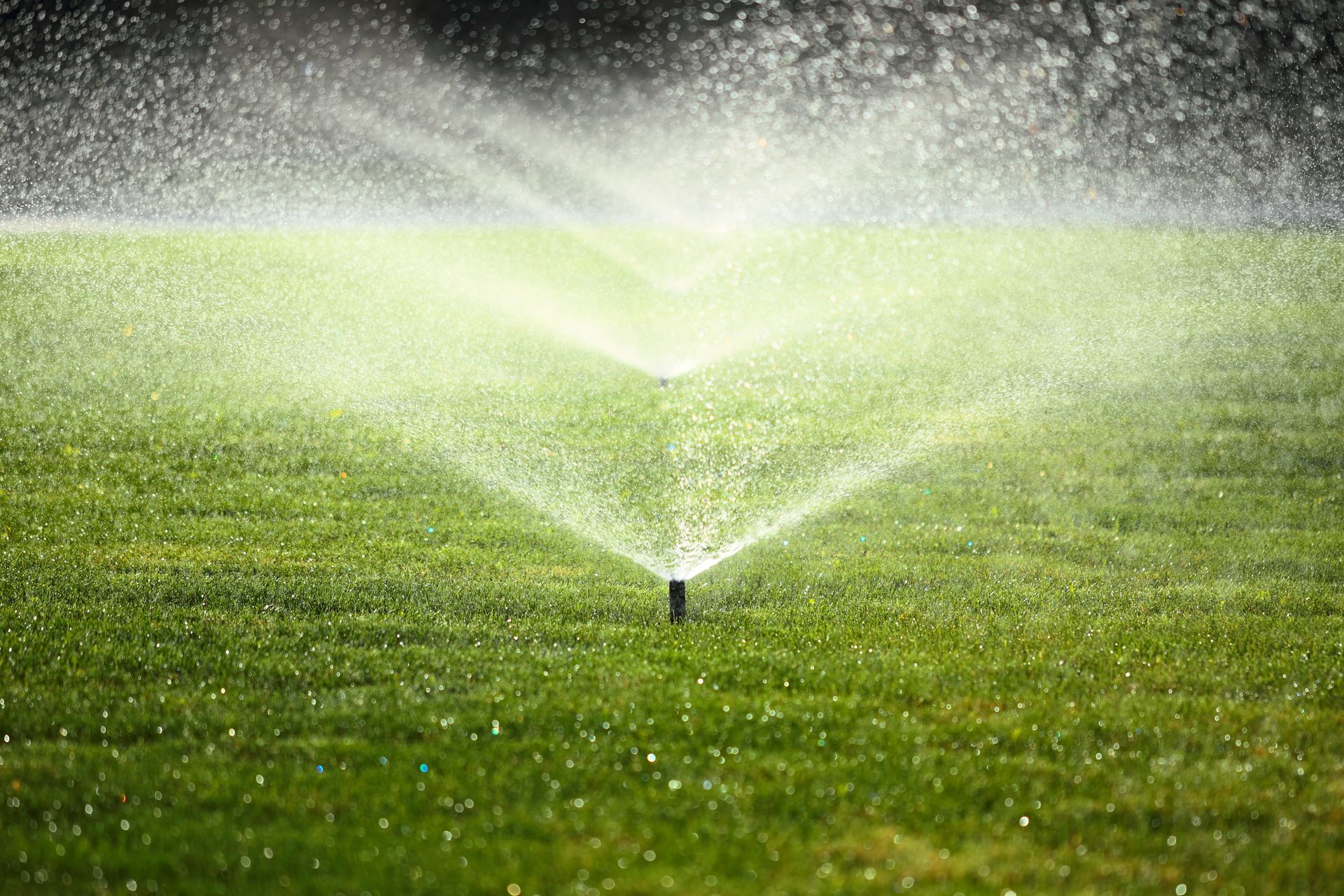
Water Delivered Where Landscapes Actually Need It
Irrigation System Installation and Repair in Orange City for dry patches, uneven coverage, and landscapes struggling through Central Florida heat
Central Florida's wet season delivers intense afternoon storms that can drop two inches of rain in an hour, yet the surrounding soil drains so quickly that shallow-rooted turf and ornamental beds are thirsty again within 48 hours—and during the dry season, weeks can pass without meaningful rainfall. Weller LawnCare LLC provides irrigation system installation and repair in Orange City to address exactly that inconsistency, delivering water to lawns, plants, and landscape beds on a schedule calibrated to actual soil and plant needs. Property owners who notice yellowing turf in one zone while another zone floods the root zone are already experiencing the kind of uneven coverage that a properly planned system eliminates.
System planning involves mapping coverage zones according to plant type, sun exposure, and soil drainage rate rather than simply dividing a yard into equal sections. Sprinkler head placement determines whether water reaches the base of ornamental beds without overshooting onto pavement, and head type—rotary versus fixed spray—is chosen based on throw distance and precipitation rate to match what the turf can absorb without runoff. Orange City and surrounding Volusia County properties operate under St. Johns River Water Management District watering restrictions, which limit irrigation days based on address and season, so system programming must account for those schedules from the start rather than treating them as an afterthought.
Request an irrigation evaluation to identify specific coverage gaps or component issues on your property..
How Irrigation Installation and Repair Addresses Uneven Water Distribution
During an installation, the process begins with a site assessment that notes existing landscaping, slope, and any hardscape that affects water flow before a single head is placed. Lateral lines are sized to maintain consistent pressure across each zone, because a zone that loses pressure at the far end will produce misting from heads near the valve and weak coverage from heads at the perimeter—a gap that shows up as a browning arc in an otherwise green lawn. Repair work follows a similar diagnostic sequence: pressure testing, visual inspection for cracked risers or clogged nozzles, and controller review to confirm run times match current seasonal conditions.
After installation or repair is complete, you should be able to walk each zone and observe consistent arc patterns without dry edges, puddling near heads, or water reaching driveways and sidewalks. Turf that was struggling with dry patches typically shows visible color recovery within two to three watering cycles once head placement and run times are corrected. Weller LawnCare LLC adjusts controller programming seasonally so that the system runs less during the summer rainy season, reducing water waste without allowing the dry-season stress that shortens turf and plant lifespan.
Component repairs include valve replacement, head swaps, line repairs for leaks caused by mower strikes or root intrusion, and backflow preventer service where required by local code. A system inspection also identifies whether an older controller supports a rain sensor or soil moisture sensor addition, which can bring a basic timer-based system into compliance with current water management district requirements without requiring full system replacement..
Common Questions About Irrigation Installation and Repair
These questions come up regularly from Orange City property owners who are evaluating their current system or considering a new installation for the first time.
What causes dry patches to appear even when the irrigation system runs on schedule?
Dry patches most often result from a clogged or tilted sprinkler head that narrows the spray arc, a pressure drop in the zone that reduces throw distance, or head spacing that was originally installed without accounting for shrub growth now blocking coverage.
How does Central Florida's rainy season affect how the system should be programmed?
During summer months, the St. Johns River Water Management District's restrictions and frequent afternoon rainfall mean controller run times should be reduced significantly—systems left at dry-season settings will overwater turf, promote fungal growth, and waste water during months when natural precipitation handles most of the load.
When is the best time to schedule an irrigation inspection in Orange City?
Early spring before the dry season intensifies is the most useful window, because it allows time to identify damaged heads, adjust coverage, and confirm controller programming before heat stress on turf begins.
What materials are typically used for underground supply and lateral lines in residential systems?
Most residential installations in Central Florida use Schedule 40 PVC for main supply lines and flexible poly tubing for lateral runs to individual heads, with fittings rated for the system's operating pressure to reduce joint failures over time.
Why does water pressure matter so much for sprinkler head performance?
Each head is rated for a specific pressure range—too low and coverage arcs shrink, leaving dry gaps; too high and heads mist rather than throw, meaning water falls immediately around the head instead of reaching the intended coverage radius.
Weller LawnCare LLC can review your current system zone by zone, identify components causing coverage gaps or water waste, and provide a repair or installation estimate based on what your specific property requires—contact us at (407) 314-7121 to schedule that walkthrough.