
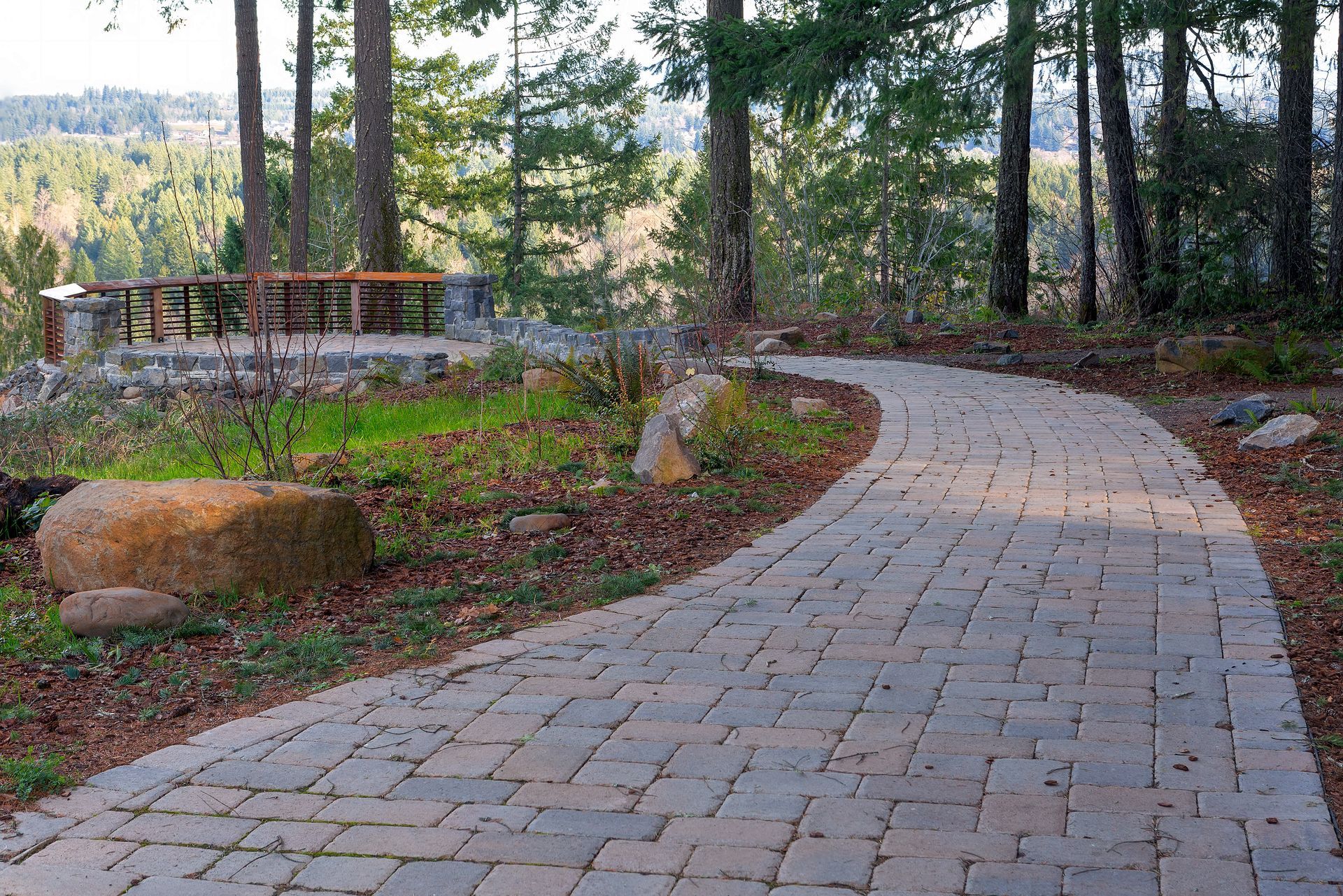
Outdoor Surfaces Built for Function and Longevity
Paver Patio and Walkway Installation in Orange City for properties where unpaved outdoor areas limit usability, create drainage problems, or lack safe pedestrian access
A paved outdoor surface changes how a property functions at ground level—where grass or bare soil required effort to maintain and performed poorly in wet weather, a properly installed paver surface provides stable footing, defined space, and a visual boundary that connects the home's architecture to the surrounding landscape. Weller LawnCare LLC installs paver patios and walkways for properties in Orange City where outdoor space is underperforming because the surface beneath it hasn't been prepared to handle the demands of regular foot traffic, heavy rainfall, or outdoor furniture load. The projects that hold up over time share one consistent foundation: base preparation done to depth before a single paver is set.
Central Florida's rainfall patterns make base preparation the most critical phase of any paver installation. A compressed aggregate base that isn't thick enough for the soil type or load expectation will shift during the saturation cycles that follow summer storm events, causing pavers to settle unevenly, separate at joints, or develop low points that collect water. The soil beneath the installation site is evaluated before excavation depth is determined, because sandy native soil and clay-mixed subgrade behave differently under load and moisture. Drainage is also designed into the surface slope during layout so that rain moves off the paver field toward the lawn or a designated outlet rather than pooling in the center or running toward the structure.
Set up a project consultation to review layout options and confirm the base requirements for your specific site conditions..
How Paver Installation Is Done Correctly
Installation begins with layout planning that accounts for the patio's relationship to the structure, existing landscaping, irrigation lines, and the direction surface water currently travels across the property. Excavation removes native material to the depth required by the intended base thickness, edge restraints are set to lock the paver field perimeter, and compacted aggregate layers are built up in lifts rather than in a single pass—each lift is compacted separately because a single deep pass leaves the lower material inadequately consolidated. Sand bedding is screeded to a consistent depth across the prepared base so paver height is uniform before the surface course is laid and compacted.
When installation is complete, you'll notice the surface sits flush with or slightly above the adjacent grade without rocking or shifting underfoot, joints are consistently filled, and the overall plane reflects the intended slope toward drainage without visible high or low spots. Weller LawnCare LLC integrates the finished paver surface with the surrounding landscaping so bed edges, sod lines, and plant borders meet the paver edge cleanly rather than leaving transitional gaps that collect debris and require ongoing maintenance. Walkways are planned with width sufficient for two-person clearance where that applies, and patio layouts are sized based on the intended furniture or activity footprint—both affect how usable the finished surface actually is.
Material selection affects surface texture, heat retention, and color retention over time in Florida's high UV environment—lighter materials reflect heat more effectively, which matters for barefoot use in summer months. Joint sand type also varies depending on whether the installation is in a shaded area with organic debris accumulation or an open, sun-exposed location where weed pressure in joints is a more common maintenance concern. These variables are part of the material conversation before the project begins.
Questions Before Starting Your Project
Paver projects in Orange City raise practical questions about preparation, materials, and what to expect as the installation progresses. The following addresses the considerations that come up most during the planning phase.
How deep does the base need to be for a paver patio in Central Florida?
Base depth typically ranges from four to eight inches of compacted aggregate depending on the native soil type and the intended load—sites with looser sandy soil or expected vehicle load require greater depth than a foot-traffic-only patio on stable ground.
What causes pavers to shift or become uneven after installation?
Joint sand loss from heavy rain washout, inadequate base compaction, and edge restraints that were improperly anchored are the most common causes—each allows lateral movement that disrupts the surface plane over successive wet seasons.
Why does drainage slope matter for a patio that isn't near a drainage structure?
Even a one-quarter inch per foot slope across the paver surface directs rain runoff away from the home's foundation and prevents the center-pool effect that occurs when the surface is set perfectly level, which is a common mistake on DIY installations in flat Orange City yards.
How is the paver layout integrated with existing irrigation lines?
Irrigation lines running beneath the planned installation area are mapped before excavation begins, and the layout is either adjusted to avoid them or the lines are rerouted—cutting through active irrigation lines during base preparation is one of the more preventable project complications.
What maintenance does a paver surface require after installation?
Joint sand should be refreshed when washout is visible, and polymeric sand—which resists washout better than standard sand—is an option in areas with direct rainfall exposure or between pavers where organic debris tends to accumulate and retain moisture.
Weller LawnCare LLC approaches every paver project with a site evaluation that confirms base requirements, drainage direction, and layout fit before material quantities or installation scope are finalized. Call (407) 314-7121 to schedule a consultation and review what your outdoor space project requires from the ground up.