
Greenery Placed Where Structure Actually Matters
Plant and Shrub Installation in Orange City for landscapes lacking defined borders, privacy screening, or vegetation suited to Central Florida conditions
Weller LawnCare LLC provides plant and shrub installation for residential and commercial properties in Orange City, where heat, sandy soil, and seasonal afternoon storms create specific demands that most off-the-shelf planting approaches fail to address. Homeowners dealing with exposed property lines, flat front elevations, or bare ground after construction are the most common candidates for this service. The difference between plants that establish quickly and ones that decline within a season often comes down to whether variety selection accounted for mature canopy size, water retention in the root zone, and direct sun exposure measured at the actual planting location—not estimated from a general site view.
The installation process begins with a layout evaluation that maps sunlight patterns, soil drainage behavior, and sight lines across the property. Central Florida's sandy substrate drains quickly, which affects how often newly installed shrubs need supplemental irrigation before their root systems establish. Species that tolerate periodic drought at maturity may still require consistent watering during the first growing cycle, and placement too close to hardscape edges or other plants can create moisture competition or block airflow in ways that encourage fungal issues common in high-humidity climates. Planting depth, spacing for mature spread, and soil amendment decisions are all made on-site rather than predetermined from a template layout.
Request a plant installation consultation to review placement options and identify which species fit your soil type, sunlight conditions, and long-term property goals.
How Proper Plant Selection Addresses Placement and Growth
Shrub and plant selection in Central Florida involves filtering out varieties that underperform in high UV exposure, poorly drained soil, or sustained summer heat above ninety degrees. Native and Florida-adapted species are evaluated first because they typically require less supplemental irrigation after establishment and are better suited to the rainfall patterns that shift dramatically between wet and dry seasons. During installation, root balls are positioned so the crown sits at the correct grade—planting too deep in Florida's heavier clay-based areas accelerates crown rot, while planting too shallow in sandy zones leaves roots exposed to drying out between rain cycles.
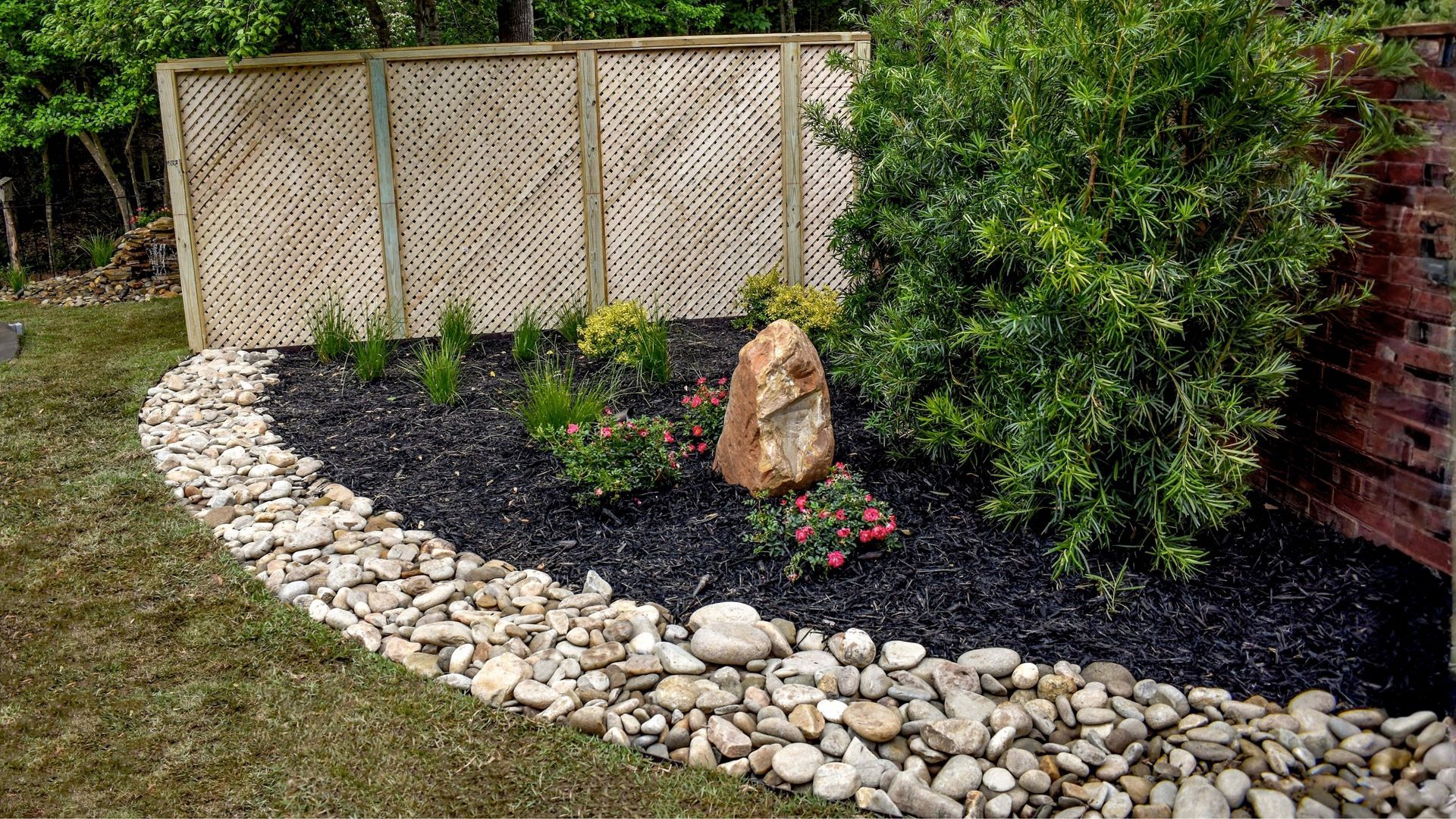
After planting is complete, you'll notice clear structural definition where the property previously felt undefined—borders between lawn and beds become intentional, and vertical plant mass creates screening or focal points that weren't achievable with ground cover alone. Newly installed shrubs placed with appropriate spacing show even, healthy foliage within the first growing season rather than crowding each other or developing bare spots at the base from inadequate light penetration. Weller LawnCare LLC selects plants sized to balance immediate visual presence with room to mature without requiring aggressive pruning to stay within the intended space.
Planting layouts can incorporate layered height arrangements—low ground cover at borders, mid-height shrubs for volume, and taller specimens for screening—and the approach adjusts based on whether the goal is privacy, curb appeal, pollinator attraction, or reducing lawn area that requires mowing. Irrigation compatibility is also factored in, particularly for properties with existing zones that may not cover newly planted areas at the correct output rate..
Common Questions About This Service
Property owners in Orange City frequently ask about timing, plant choices, and what to expect after installation is finished. The answers below address the decisions that come up most during the planning process.
What plants work best in Central Florida's sandy soil?
Florida-adapted varieties like Simpson's stopper, Walter's viburnum, and firebush are commonly used because their root systems tolerate the drainage fluctuations common in Orange City's sandy substrate without requiring soil replacement.
How is spacing determined during the installation layout?
Spacing is calculated using the documented mature spread of each variety rather than the current nursery pot size, which prevents overcrowding within two to three growing seasons that forces costly removal or relocation.
When is the best time to install shrubs and plants in this region?
Installation during the early wet season allows plants to take advantage of natural rainfall for root establishment, reducing the supplemental irrigation demand during the most critical first weeks after planting.
Why does planting depth affect long-term plant health?
Incorrect planting depth places root crowns either below grade—where moisture accumulates and promotes rot—or above grade where roots dry out, both of which are common causes of failure within the first year regardless of species selection.
What soil amendments are typically needed before planting?
In areas with heavily compacted or nutrient-depleted ground, organic material is worked into the planting zone to improve moisture retention, but the specific amendment depends on an on-site soil assessment rather than a standard formula applied across the entire property.
Weller LawnCare LLC evaluates each property individually before recommending a planting layout, which means the species, spacing, and soil preparation approach are based on what's actually on your property rather than a standard package. Connect with the team at (407) 314-7121 to arrange a site evaluation and begin planning your installation.